Our Story · The name behind the mission

The LegacyBehindAllen House USA

Why we carry his name — the story of Allen Williams, and the open door that inspired our mission.

Chapter zero

A Father. A Son. A Future.

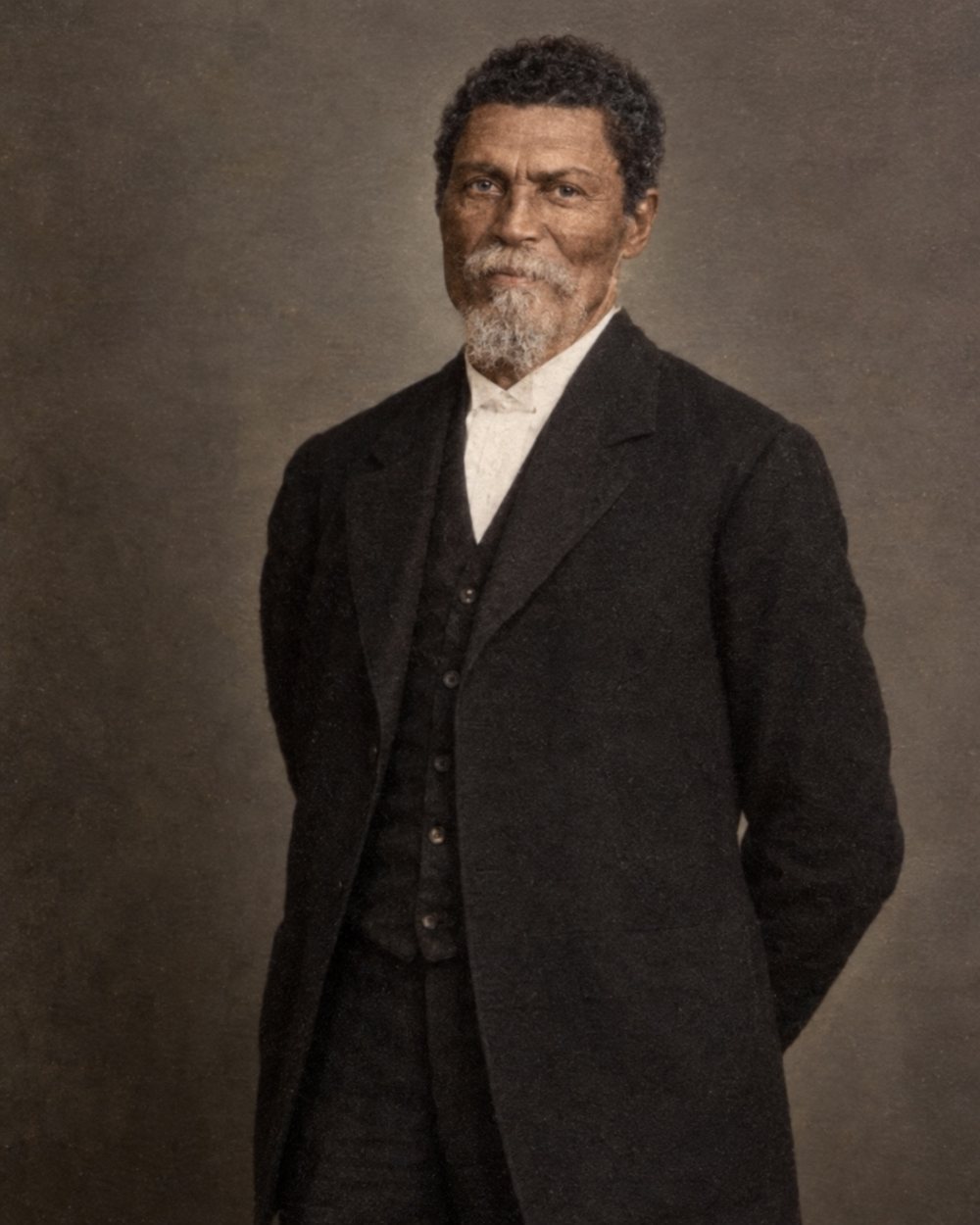
Historical reconstruction based on family memory

Portrait of Allen Williams in a dark suit, the namesake of Allen House USA

Allen Williams

Born 1855 · Builder · Minister · Patriarch

The man behind the name

Meet Allen Williams

Allen House USA is named in honor of Allen Williams. Family history remembers him as a craftsman, minister, and family patriarch whose life was shaped by work, faith, and concern for his neighbors.

He is not remembered for a title or for what he owned. He is remembered for what he chose to do for others — and for his willingness to make room for someone else.

Born
1855
By trade
Builder
By calling
Minister

The foundation

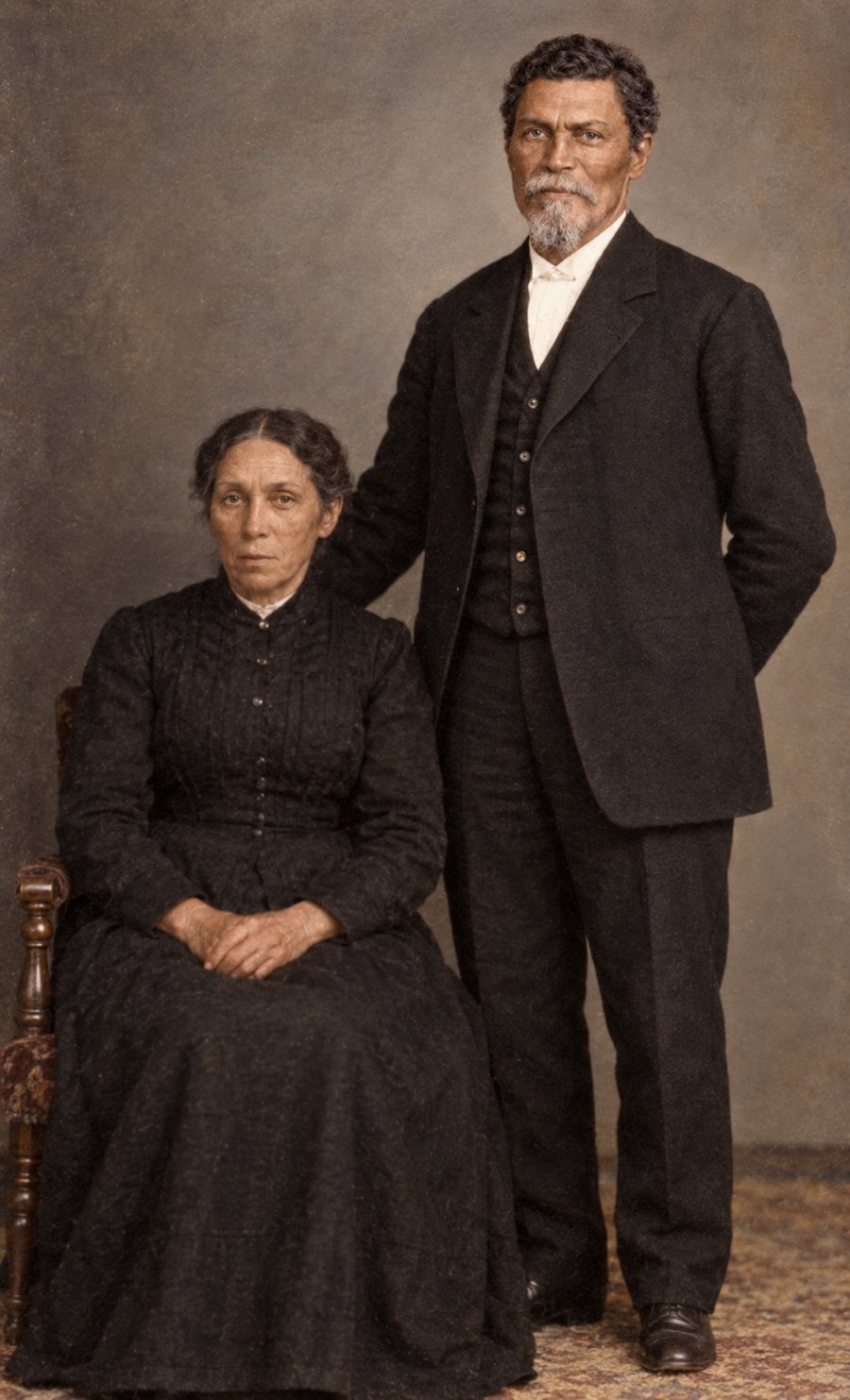
Allen & Mary Williams

Legacy is not a single name. It is what two people build — and what generations refuse to forget.

Family history remembers Mary Williams standing beside Allen not as background, but as part of the foundation of the Williams family — the beginning point for the generations that followed.

Allen Williams standing beside his wife, Mary Williams, who is seated
Allen and Mary Williams.

One life · Four chapters

A story told through family memory

01

Family memory

A Life of Resilience

Family history remembers Allen Williams as born into slavery in 1855 and coming of age through the hard years after the Civil War — a world marked by hardship, racial injustice and limited opportunity.

Our family remembers his father as Colonel John D. Williams, who invested knowledge and practical skill in his son. That relationship was complicated by the world around them — and essential to understanding the man Allen became.

02

Family archive

Skilled Hands

Allen’s hands became instruments of independence. The family remembers him as a gifted builder — digging wells, building and farming.

Those skills helped turn survival into stewardship, and gave him something he would spend his life offering to others.

03

Oral history

Compassion in Action

A man of deep Christian faith, Allen believed caring for people required more than words. Family accounts tell of him visiting the sick, bringing food, sitting beside them and praying with them.

He opened his own home to people who needed shelter and care — willing to go where others would not, and to see a person worth caring for when others had lost hope.

04

Today

A Legacy Carried Forward

Generations later, his great-grandson carries that example into a new kind of work: making affordable, quality shared living more accessible in St. Louis.

Allen House USA bears his name so that the spirit of an open door — being welcomed, being seen — lives on in this generation.

A home can mean more than a roof. It can mean being welcomed, being seen, and having a place from which to take the next step.

Daryl Whittington · Founder, Allen House USA

Watch the story

The Legacy of Allen Williams: The Story Behind Allen House

Trouble playing? Watch on YouTube

A letter from the founder

Why I Chose the Name Allen House USA

By Daryl Whittington, great-grandson of Allen Williams

Allen House USA is named in honor of my great-grandfather, Allen Williams. For me, that name represents more than family history. It represents a way of treating people, especially when they are struggling and have nowhere else to turn.

The stories passed down in our family describe Allen’s life beginning in slavery in 1855 and continuing through the difficult years after the Civil War. He faced a world marked by hardship, racial injustice, and limited opportunities. Yet the legacy we remember most is what he chose to do for others.

A Faith That Became Action

Our family remembers Allen as a gifted builder, a man of deep Christian faith, and someone who believed that caring for people required more than words.

His faith became something practical. He visited people who were sick. He brought food. He sat beside them, prayed with them, and offered comfort. Family accounts tell of him opening his own home to people who needed shelter and care.

In a time when serious illness could leave people isolated and without adequate help, Allen was willing to go where others would not. He saw a person worth caring for, even when others had lost hope.

That is the part of his story that has stayed with me.

He Opened His Door

What moves me most is not a title, an achievement, or how much Allen owned. It is his willingness to make room for someone else.

He offered what he had: his time, his skills, his home, and his faith. The family stories describe a man who responded to suffering with presence and compassion rather than distance.

He did not wait for someone’s circumstances to become easier before treating them with dignity.

Carrying His Name Forward

I chose the name Allen House USA because I want that spirit to remain alive in this generation.

Our work today is housing. We want to make affordable, quality shared living more accessible and create an environment where people are treated with respect. Our circumstances are different from Allen’s, but the conviction behind the work is connected: people should not be forgotten simply because life has become difficult.

Naming this organization after my great-grandfather is my way of honoring his example through something practical.

More Than a Name

Allen House USA is a tribute to Allen Williams and to the compassion our family remembers him showing others.

His story reminds me that a home can mean more than a roof. It can mean being welcomed, being seen, and having a place from which to take the next step.

That is the legacy I want Allen House USA to honor.

Daryl Whittington

Founder & CEO, Allen House USA

The legacy in our mission today

An open door, carried forward.

Today, Allen House USA carries that inspiration into its housing mission: making affordable, quality shared living more accessible and treating people with dignity and respect.

Historical note: This account reflects family history and oral traditions shared by Daryl Whittington. Some historical details remain under research. Portraits are from the Williams family legacy collection and may be digitally enhanced.